The Botany of Desire: A Plant's-Eye View of the World
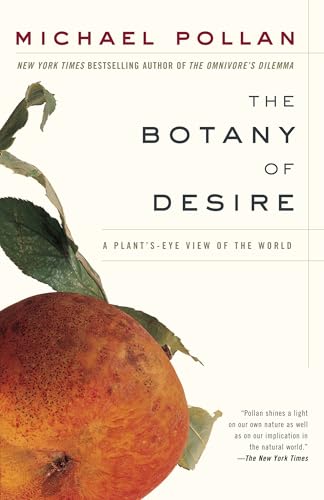
Every schoolchild learns about the mutually beneficial dance of honeybees and flowers: The bee collects nectar and pollen to make honey and, in the process, spreads the flowers’ genes far and wide. In The Botany of Desire, Michael Pollan ingeniously demonstrates how people and domesticated plants have formed a similarly reciprocal relationship. He masterfully links four fundamental human desires—sweetness, beauty, intoxication, and control—with the plants that satisfy them: the apple, the tulip, marijuana, and the potato. In telling the stories of four familiar species, Pollan illustrates how the plants have evolved to satisfy humankind’s most basic yearnings. And just as we’ve benefited from these plants, we have also done well by them. So who is really domesticating whom?
BUY THE BOOK
Community Reviews
Great read. Makes you think alot about genetically modified food and Monsanto. Animals eating hallucinating plants made me laugh. The economics of the tulips and the American history of the apple plant. Pollen does a great job of exploring each plant and bringing in funny stories. I left the book wanting to read more about the ethics of genetically modified food and Monsanto and the Terminator gene.

In order to illustrate the very close relationship between certain plants and humans, Pollan uses the examples of apples (I will be drinking more hard cider), tulips, marijuana, and potatoes. It's a bit slow in places, especially the tulip chapter. The marijuana chapter is very entertaining and informative, and the potato chapter is the most terrifying.
I might reread Omnivore now as it's been a while since I read it, and I didn't then have the same background info I have now. Also, this book encourages a lot of Pinker and Dawkins reading, so I might do that as well.
I might reread Omnivore now as it's been a while since I read it, and I didn't then have the same background info I have now. Also, this book encourages a lot of Pinker and Dawkins reading, so I might do that as well.

See why thousands of readers are using Bookclubs to stay connected.