Green Island: A Novel
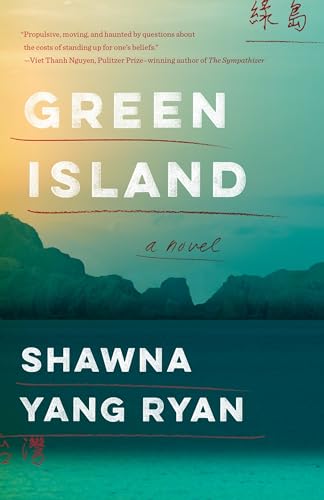
BEST BOOK AWARD IN FICTION BY THE ASSOCIATION FOR ASIAN AMERICAN STUDIES • A stunning, lyrical novel that tells "the story of how the Tsais, a Taiwanese family, survive the 'February 28 Incident' of 1947 and precariously navigate the decades that follow" (The New York Times).
As an uprising rocks Taiwan, a young doctor in Taipei is taken from his newborn daughter by Chinese Nationalists, on charges of speaking out against the government. Although the doctor eventually returns to his family, his arrival is marked by alienation from his loved ones and paranoia among his community.
Years later, this troubled past follows his youngest daughter to America, where, as a mother and a wife, she too is forced to decide between what is right and what might save her family—the same choice she witnessed her father make many years before.
The story of a family and a nation grappling with the nuances of complicity and survival, Green Island raises the question: how far would you go for the ones you love?
As an uprising rocks Taiwan, a young doctor in Taipei is taken from his newborn daughter by Chinese Nationalists, on charges of speaking out against the government. Although the doctor eventually returns to his family, his arrival is marked by alienation from his loved ones and paranoia among his community.
Years later, this troubled past follows his youngest daughter to America, where, as a mother and a wife, she too is forced to decide between what is right and what might save her family—the same choice she witnessed her father make many years before.
The story of a family and a nation grappling with the nuances of complicity and survival, Green Island raises the question: how far would you go for the ones you love?
BUY THE BOOK
Join a book club that is reading Green Island: A Novel!
Community Reviews
I received this free digital ARC from the publisher via First to Read in exchange for my honest review.
Pacing: The pacing was slow compared to other novels, but given its style as a fictional memoir, the gentle-paced story works well. It was occasionally difficult to keep interest. Some parts needed to be plodded through, but most of the pacing was smooth if a little drawn out.
World: The world is based on history, taking place in both Taiwan and America. Yet, some liberties may have been taken given the novel’s fictional genre. Even so, the world is described in great detail. This builds scenery and a backdrop for the events that appropriately influence the story and the characters within it.
Writing: The writing style is reflective of a memoir. It states the facts and leaves little room for subjective manner and instead lays out the story in a plain, distant manner. While this gives the sense of realism, it also distances the reader. It creates a barrier, which can make it difficult for the reader to be as invested in the events as the characters are.
Non-Spoilered Plot: Starting from the events surrounding her birth, a Taiwanese woman describes her life and the way her life changes based on the events that transpire. Even while many of these events don’t affect her directly, insight into the members of her family’s lives explains the hardships and the reality evolving around her.
Character: The main character struggles throughout the novel to find her identity. She wants to be filial. She wants to be independent. Yet, she can’t be both and this search for self is only enhanced and made convoluted because of the events transpiring around her and her family.
Plot: This novel is a fictional memoir about a Taiwanese woman trying to find herself in a corrupt world. During this time she battles between the ideals of her family and her culture and the desire to be her own person and make her own choices. Yet, this struggle is more difficult because of the toils, hardships, and manipulations of the government around her.
Much of her life is influenced by her family. She’s expected to be patient and dutiful like her mother who waits for her father to return after being kidnapped by the military. Even when he does return, he’s not who he used to be. It’s only because he didn’t know the main character before he left that he’s able to bond with her in his new mindset. Yet, his form of bonding is structured to make her obedient and intelligent. It shows no signs of the familial love of the Western culture. Thus, their relationship comes off as crass and distant.
What’s more is the main character’s father is clouded by his past. He suspects anyone and everyone outside of the immediate family to be tracking him, including his son-in-law. This tension pushes his eldest daughter and eldest son away. Meanwhile, the youngest son chooses to not only run but abandon the customs of his family by adopting the Western culture of the soldiers camped within Taiwan. This leaves the main character, the youngest of four, to be filial to her father. She’s the only one he can count on. She’s the only one who stays.
Yet, in so doing, she also ends up in a prearranged marriage rooted with problems because her husband thinks her naive. He wants to solve the problems of Taiwan by being an activist, even if it means putting the lives of his wife and children in danger. Wanting nothing but a simple life and good prospects for her children, the main character finds herself wanting to divorce. It’s frowned upon. It’s also quite difficult as she is used to be supported by her husband.
Though, it’s when things go from bad to worse that the main character realizes why she must stay. Her husband’s foolishness ends up having him and herself kidnapped, which results in the death of their unborn child and while she originally suspects this as an opportunity to leave him, the main character realizes she can’t. No one else would understand the hardships they’ve gone through. No one would be able to relate to her past. It’s this wisdom and patience and devotion that her mother was trying to tell her the whole time. It’s the same devotion her mother showed to the main character’s father after he’d been gone for ten years.
While this novel was a memoir and seemed to lack plot based on its style, it was thought-provoking. There was no mighty quest. There was no single villain to fight. Rather, it showed the everyday struggles of a woman and the lessons she learns along the way that make her who she is. With that in mind, I leave my rating of this novel, ‘Green Island: A novel’, at three stars.
Pacing: The pacing was slow compared to other novels, but given its style as a fictional memoir, the gentle-paced story works well. It was occasionally difficult to keep interest. Some parts needed to be plodded through, but most of the pacing was smooth if a little drawn out.
World: The world is based on history, taking place in both Taiwan and America. Yet, some liberties may have been taken given the novel’s fictional genre. Even so, the world is described in great detail. This builds scenery and a backdrop for the events that appropriately influence the story and the characters within it.
Writing: The writing style is reflective of a memoir. It states the facts and leaves little room for subjective manner and instead lays out the story in a plain, distant manner. While this gives the sense of realism, it also distances the reader. It creates a barrier, which can make it difficult for the reader to be as invested in the events as the characters are.
Non-Spoilered Plot: Starting from the events surrounding her birth, a Taiwanese woman describes her life and the way her life changes based on the events that transpire. Even while many of these events don’t affect her directly, insight into the members of her family’s lives explains the hardships and the reality evolving around her.
Character: The main character struggles throughout the novel to find her identity. She wants to be filial. She wants to be independent. Yet, she can’t be both and this search for self is only enhanced and made convoluted because of the events transpiring around her and her family.
Plot: This novel is a fictional memoir about a Taiwanese woman trying to find herself in a corrupt world. During this time she battles between the ideals of her family and her culture and the desire to be her own person and make her own choices. Yet, this struggle is more difficult because of the toils, hardships, and manipulations of the government around her.
Much of her life is influenced by her family. She’s expected to be patient and dutiful like her mother who waits for her father to return after being kidnapped by the military. Even when he does return, he’s not who he used to be. It’s only because he didn’t know the main character before he left that he’s able to bond with her in his new mindset. Yet, his form of bonding is structured to make her obedient and intelligent. It shows no signs of the familial love of the Western culture. Thus, their relationship comes off as crass and distant.
What’s more is the main character’s father is clouded by his past. He suspects anyone and everyone outside of the immediate family to be tracking him, including his son-in-law. This tension pushes his eldest daughter and eldest son away. Meanwhile, the youngest son chooses to not only run but abandon the customs of his family by adopting the Western culture of the soldiers camped within Taiwan. This leaves the main character, the youngest of four, to be filial to her father. She’s the only one he can count on. She’s the only one who stays.
Yet, in so doing, she also ends up in a prearranged marriage rooted with problems because her husband thinks her naive. He wants to solve the problems of Taiwan by being an activist, even if it means putting the lives of his wife and children in danger. Wanting nothing but a simple life and good prospects for her children, the main character finds herself wanting to divorce. It’s frowned upon. It’s also quite difficult as she is used to be supported by her husband.
Though, it’s when things go from bad to worse that the main character realizes why she must stay. Her husband’s foolishness ends up having him and herself kidnapped, which results in the death of their unborn child and while she originally suspects this as an opportunity to leave him, the main character realizes she can’t. No one else would understand the hardships they’ve gone through. No one would be able to relate to her past. It’s this wisdom and patience and devotion that her mother was trying to tell her the whole time. It’s the same devotion her mother showed to the main character’s father after he’d been gone for ten years.
While this novel was a memoir and seemed to lack plot based on its style, it was thought-provoking. There was no mighty quest. There was no single villain to fight. Rather, it showed the everyday struggles of a woman and the lessons she learns along the way that make her who she is. With that in mind, I leave my rating of this novel, ‘Green Island: A novel’, at three stars.

See why thousands of readers are using Bookclubs to stay connected.