Endurance: Shackleton's Incredible Voyage
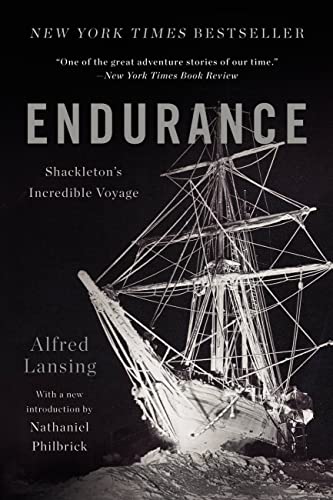
The legendary and harrowing tale of British explorer Ernest Shackelton's 1914 shipwreck on Antarctic ice - and how his leadership rescued his crew "One of the greatest adventure stories of our time." -New York Times Book Review In August 1914, polar explorer Ernest Shackleton boarded the Endurance and set sail for Antarctica, where he planned to cross the last uncharted continent on foot. In January 1915, after battling its way through a thousand miles of pack ice and only a day's sail short of its destination, the Endurance became locked in an island of ice. Thus began the legendary ordeal of Shackleton and his crew of twenty-seven men. When their ship was finally crushed between two ice floes, they attempted a near-impossible journey over 850 miles of the South Atlantic's heaviest seas to the closest outpost of civilization. In Endurance, the definitive account of Ernest Shackleton's fateful trip, Alfred Lansing brilliantly narrates the harrowing and miraculous voyage that has defined heroism for the modern age.
BUY THE BOOK
Community Reviews

6/5 stars story. 4/5 stars background info. It's a great book that you must read/listen to but it lacks some extra information. Too bad, could have been perfect and one of the best books ever written if it had some extra 200 pages.
Pro:
Great survival tale that you must know about. You feel the cold they felt and the pain they felt. And you admire their courage and intelligence. I would have been lost right away.
Con:
It starts off without even stating if it is a real story or not. And does not mention any photographs taken on the trip. What happened to the party on the other side of Antarctica that was supposed to leave food supplies? Would Shackleton have died if he had tried to cross Antarctica without the food supplies on the way? What happened after the trip was over? How are they remembered? Did they gain fame and fortune? What did they do with their lives? What did their wives, parents and childred say when they met them again?
Pro:
Great survival tale that you must know about. You feel the cold they felt and the pain they felt. And you admire their courage and intelligence. I would have been lost right away.
Con:
It starts off without even stating if it is a real story or not. And does not mention any photographs taken on the trip. What happened to the party on the other side of Antarctica that was supposed to leave food supplies? Would Shackleton have died if he had tried to cross Antarctica without the food supplies on the way? What happened after the trip was over? How are they remembered? Did they gain fame and fortune? What did they do with their lives? What did their wives, parents and childred say when they met them again?
Endurance is an apt name for this book. What an amazing story of fortitude, attitude and surviving. I don't like it when I have to be out in the cold (think 40 degrees) for just a short time -- these guys ALL lived through two years of being outside in below freezing weather facing unimaginable obstacles.
2016 is the centennial of this party's rescue. I'm so glad I read this book this year to commemorate.
2016 is the centennial of this party's rescue. I'm so glad I read this book this year to commemorate.
In August 1914, polar explorer Ernest Shackleton boarded the Endurance and set sail for Antarctica, where he planned to cross the last uncharted continent on foot. In January 18,1915, after battling its way through a thousand miles of pack ice and only a day's sail short of its destination, the Endurance became locked in an island of ice and begins drifting with the ice pack. Thus began the legendary ordeal of Shackleton and his crew of twenty-seven men. When the ship was finally crushed between two ice floes on October 27, 1915 abandon ship was ordered, (Endurance sank November 21, 1915). The crew attempted a near-impossible journey over 850 miles of the South Atlantic's heaviest seas, riding ice floes and open ocean to the closest outpost of civilization. At the mercy of the powerful ocean currents Shackleton hoped the ice floe would travel north to safety. The climate was cold and unforgiving; the crew camped on ice floes, surviving on local wildlife and eventually even ate their own dogs to survive. April 15, 1916: Crew launches lifeboats and travel over ice floes and ocean to finally reach Elephant Island after 497 days out of contact with civilization. April 24, 1916: Shackleton and five others set sail in the 22-foot lifeboat James Caird to seek rescue. May 10, 1916: James Caird lands on South Georgia Island and successfully took a treacherous hike to the Stromness whaling station on the North coast of the island. August 30, 1916: Sir Ernest, aboard the Chilean ship Yelco rescues the 22 men on Elephant island. A very interesting journey, well documented, well written. I was able to feel the cold just as the characters did. I was quite impressed by Ernest Shackleton and his leadership skills. He spent many days stranded on ice floes at the mercy of the cold weather, the ocean currents, food issuers etc. and never did he seem flustered. I don't know if this was of the author's doing or how it really occurred. However I applaud Ernest Shackleton's leadership skills and the discipline of his crew. All 28 crew survived the journey. Without this leadership the results would not have been as favorable
See why thousands of readers are using Bookclubs to stay connected.