Cranford (Penguin Classics)
Elizabeth Gaskell's portrait of kindness, compassion, and hope
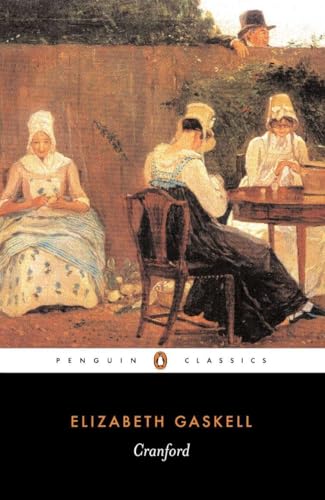
Cranford depicts the lives and preoccupations of the inhabitants of a small village - their petty snobberies, appetite for gossip, and loyal support for each other in times of need This is a community that runs on cooperation and gossip, at the very heart of which are the daughters of the former rector: Miss Deborah Jenkyns and her sister Miss Matty, But domestic peace is constantly threatened in the form of financial disaster, imagined burglaries, tragic accidents, and the reapparance of long-lost relatives. to Lady Glenmire, who shocks everyone by marrying the doctor. When men do appear, such as 'modern' Captain Brown or Matty's suitor from the past, they bring disruption and excitement to the everyday life of Cranford.
In her introduction, Patricia Ingham places the novel in its literary and historical context, and discusses the theme of female friendship and Gaskell's narrative technique. This edition also contains an account of Gaskell's childhood in Knutsford, on which Cranford is based, appendices on fashion and domestic duties supplemented by illustrations, a chronology of Gaskell's life and works, suggestions for further reading, and explanatory notes.
BUY THE BOOK
Community Reviews
A classic book by Gaskill of a small town - almost a village - in rural England, dominated by women of a certain age. Whilst not rich, they are not necessarily poor and they have developed their own ways of presenting themselves to the local community.
The book is narrated by Mary Smith, not a native of Cranford, who makes occasional visits to Miss Mattie (and her older sister Miss Deborah, whilst she is alive), a spinster in her 50s. There is no plot, per se, rather each chapter describing an occurrence in the village and the resident's reaction to it, which can often be wildly out of proportion to what actually happened.
This is a light and amusing book, which disappointed me slightly when I realised I'd been daft enough to think this was a (Lark Rise to) Candleford book (whoops!), even though I could see a similarity in some of the characters. Looking at some other reviews of this book, it seems I am not mistaken for confusing the two (Cranford/Candleford; both set in the middle of the 19th Century; etc).
